Liquid Silicone Foam Is Supporting the Circular Economy
Introduction
Sustainability is no longer a marketing phrase — it is a procurement requirement. Buyers across Europe, North America, and Asia now evaluate materials not only by performance and price, but by environmental footprint: how much material is consumed, how long products last, whether components are safe to recycle, and whether supply chains meet increasingly strict environmental regulations. In this new landscape, liquid silicone foam has emerged as a genuinely green material — one that delivers performance while supporting the goals of the circular economy.
Early Developments
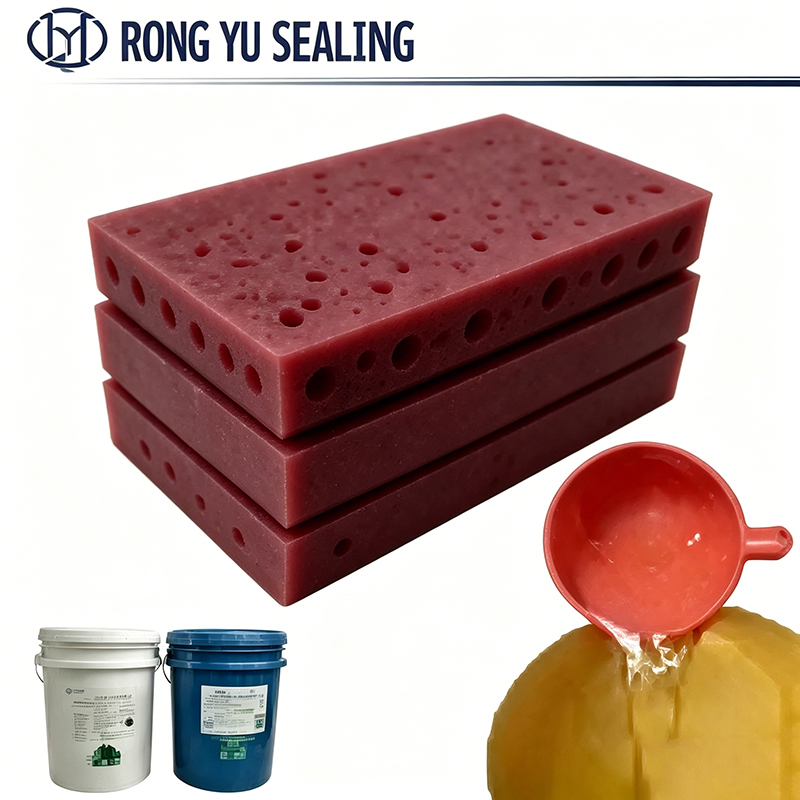
In the early days, foam materials carried a significant environmental burden. Conventional polymer foams often required complex additive packages, released volatile compounds during production, and degraded into waste after relatively short service lives. Recycling options were limited, and disposal frequently meant incineration or landfill. For manufacturers seeking to improve their environmental performance, the foam materials available were often the weakest link in an otherwise sustainable product design.
The Platinum Cure Revolution
The adoption of platinum-catalyzed addition-curing silicone chemistry brought fundamental environmental advantages. Platinum-cured systems cure cleanly without releasing hazardous byproducts, producing materials that are chemically inert, non-toxic, and stable for decades of service. Because silicone foam lasts dramatically longer than conventional foams, products require replacement less often — reducing material consumption over the product lifecycle. And crucially, the high expansion ratio of liquid silicone foam means less raw material is needed to produce the same volume of finished product, cutting resource use at the very source.
Key Performance Advances
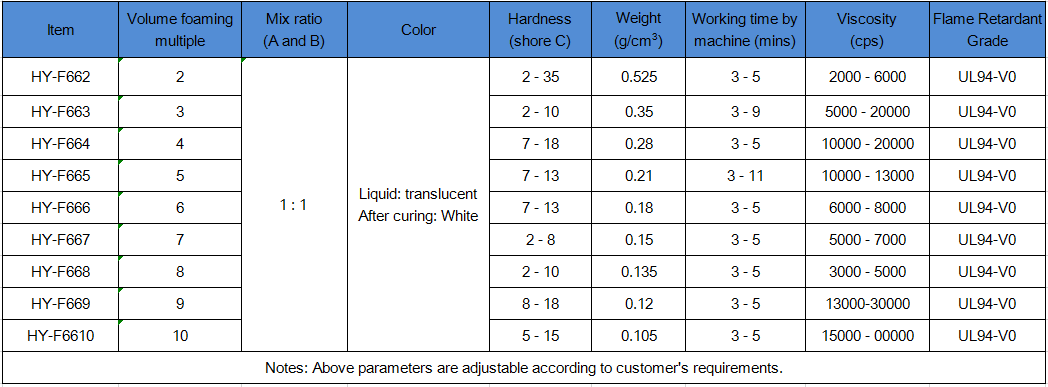
Modern liquid silicone foam grades, such as those manufactured by Hong Ye Silicone, are designed with sustainability built in. The high expansion ratio of up to 7 times original volume minimizes raw material consumption per finished part. The exceptional durability and rebound resilience extend product service life, reducing replacement frequency and waste. The non-toxic, odorless, and chemically inert nature of the material eliminates hazardous substance concerns in both production and disposal. And the material's wide service temperature range of -65°C to 200°C ensures reliable performance that prevents premature failure — the most sustainable outcome of all. These properties, combined with compliance with international environmental standards, make silicone foam a material buyers can specify with confidence.
Application Expansion
Sustainable silicone foam is now specified across industries where environmental compliance matters most. In the automotive sector, it contributes to lighter, more efficient vehicles and longer-lasting components that reduce lifecycle waste. In consumer goods, it replaces short-lived foams in footwear, bedding, and furniture with materials built to last. In electronics, its stability and inertness support compliance with strict hazardous-substance regulations. In packaging and industrial applications, its durability reduces replacement cycles and its clean chemistry simplifies end-of-life handling. In every sector, the pattern is the same: products last longer, consume less material, and present fewer end-of-life problems.
Manufacturing Advancements
Sustainable materials require sustainable manufacturing. Modern facilities, like those operated by Hong Ye Silicone, combine precise automated production with efficient material use — minimizing waste in the production process itself. ISO9001-certified quality management ensures that every batch performs as specified, preventing the waste that comes from rejects and rework. Rigorous testing and final inspection before shipment ensure that buyers receive material that performs correctly the first time, eliminating the hidden environmental cost of failed components.
Future Directions
The future of sustainable materials points toward full circularity. Recyclable silicone foam formulations, bio-based silicone precursors, and closed-loop take-back programs are among the most promising research directions. As environmental regulations tighten and buyers demand documented sustainability, manufacturers that combine green chemistry with transparent compliance will lead the market. The next decade will belong to materials that perform well, last long, and leave a minimal footprint.
Conclusion
The circular economy is not a distant ideal — it is the operating standard of tomorrow's procurement decisions. Liquid silicone foam is uniquely positioned for this future: a material that uses less raw material through high expansion, lasts longer through superior durability, and presents fewer environmental concerns through clean, inert chemistry. Companies like Hong Ye Silicone, with decades of formulation expertise and a commitment to international environmental standards, are helping buyers across the globe make the green choice — without ever compromising on performance.
 ∷
∷