High‑Simulation Robot Skin Silicone for Humanoid Robot & Me
Product Overview
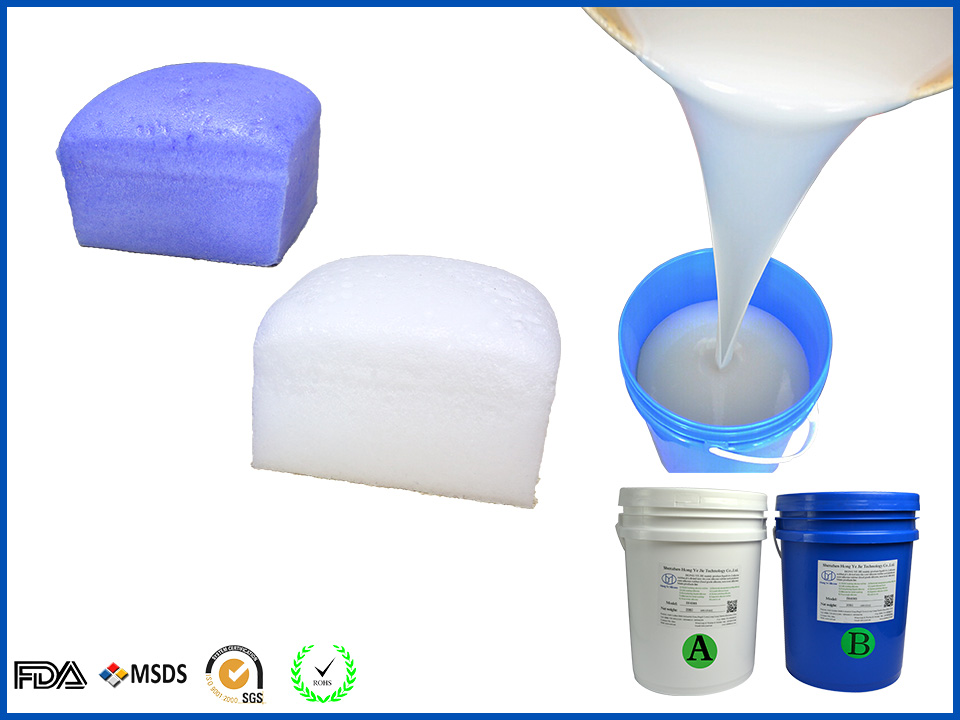
Robot Skin Silicone also known as simulation skin silicone or liquid human‑body silicone, belongs to addition curing silicone, two‑component platinum catalyzed RTV‑2 silicone rubber. The fluid A and B components cross‑link after mixing, delivering soft, skin‑like tactile performance without limitation on finished product thickness. It can be processed by hand pouring or low‑pressure injection equipment. Classified into three series: ultra‑soft type 0‑5A for special‑effect makeup and soft tissue simulation; medium‑soft type 10‑15A for robot skin and prosthetic liners; medium‑hard type 20‑30A for teaching models requiring high durability. As an upgraded substitute for latex, PVC and PU foam, this human body silicone outperforms traditional materials in safety, simulation degree and service life. Our factory also supplies mold making silicone, pad printing silicone, electronic potting compound and liquid silicone foam to satisfy one‑stop sourcing demands for global B2B purchasers.
Product Features
-
Realistic skin‑like touch, excellent reproduction for fine textures including pores and subtle lines
-
Wide hardness range from 0A to 30A, covering soft fat‑like texture to medium dermis texture
-
High tear resistance and tensile property, anti‑deformation for long‑term repeated usage
-
Non‑toxic, odor‑free and skin‑friendly, compliant with FDA requirements for safe human contact
-
Ultra‑low shrinkage ≤0.1%, high dimensional accuracy for fine detail replication
-
Broad operating temperature range ‑60℃‑200℃, keeps flexibility under extreme conditions
-
Great resistance against aging, UV, ozone, water and moisture with reliable electrical insulation
-
Customizable colors for various skin tones, transparent and translucent effects, good painting performance
-
Good biocompatibility, anti‑yellowing and wash‑resistant for long‑time application
Application Scenarios
This Robot Skin Silicone serves multiple industries. For robotics, it produces outer skin and facial expression layers for humanoid robots and service robots. In medical & rehabilitation fields, it applies to prosthetic liners, rehabilitation training tools, anatomical models and acupuncture practice mannequins. For entertainment sector, it makes film special‑effect prosthetics, silicone masks, Cosplay props, wax figures and museum exhibits. It also works for beauty shaping padding, animatronic dolls and companion robot surface layers. It brings tangible value for buyers: lower reject rate thanks to low‑shrink formulation, less material replacement frequency for outstanding anti‑aging performance, flexible customization to match diversified project requirements.
Certifications and Compliance
Manufactured under ISO9001 quality management system, our Robot Skin Silicone meets FDA skin‑contact requirements. Our whole silicone product line passes UL and CE compliance standards. Every batch follows pre‑production sample confirmation and pre‑shipment final inspection to guarantee consistent quality for oversea partners.
Customization Options
Custom skin tone, transparent or translucent color solutions are available. We support custom hardness formula within 0A‑30A range to fit different project scenarios. OEM service is accessible for bulk order clients.
Production Process
Raw silicone materials are strictly screened before production. Formulation compounding, stirring and filtration are completed in‑house on our production lines. QC staff conduct performance testing for each batch. Pre‑production samples are offered prior to mass production; final inspection will be carried out before packing and delivery.
How To Use
-
Fully stir Part A and Part B respectively to eliminate filler sediment.
-
Mix A and B at 1:1 weight ratio, stir for 2‑3 minutes, scrape bottom and sides of container for even blending.
-
Vacuum degas the mixed silicone to remove bubbles.
-
Pot life is 30‑40 minutes under room temperature; full curing takes 4‑8 hours. Heat curing at 60‑80℃ can shorten curing cycle.
FAQ
Q: Why silicone fails to cure?
A: Platinum cured silicone will be poisoned when touching sulfur, tin, lead or condensation‑cured silicone residue. Please fully clean tools and molds previously used for other silicone.
 ∷
∷