Silicone Foam Is Transforming Construction and Infrastructure
Introduction
The buildings we live in, the bridges we cross, and the infrastructure that powers our cities all depend on materials that must perform for decades — often under harsh conditions, hidden behind walls and beneath floors where failure is difficult and costly to repair. In modern construction, liquid silicone foam has become a trusted partner in this quiet work: sealing building envelopes, insulating mechanical systems, dampening vibration, and providing fire protection that meets the strictest building codes.
Early Developments
In the early days, building construction relied on traditional materials for sealing and insulation: mineral wool, polyurethane foam, and synthetic rubber gaskets. These materials worked, but each carried compromises. Mineral wool provided insulation but absorbed moisture and settled over time. Polyurethane foam offered convenience but degraded under UV exposure and released concerns about fire performance. Rubber gaskets hardened and cracked as they aged. For builders and architects demanding long-term reliability — and for owners tired of expensive remediation — a more durable solution was needed.
The Platinum Cure Revolution
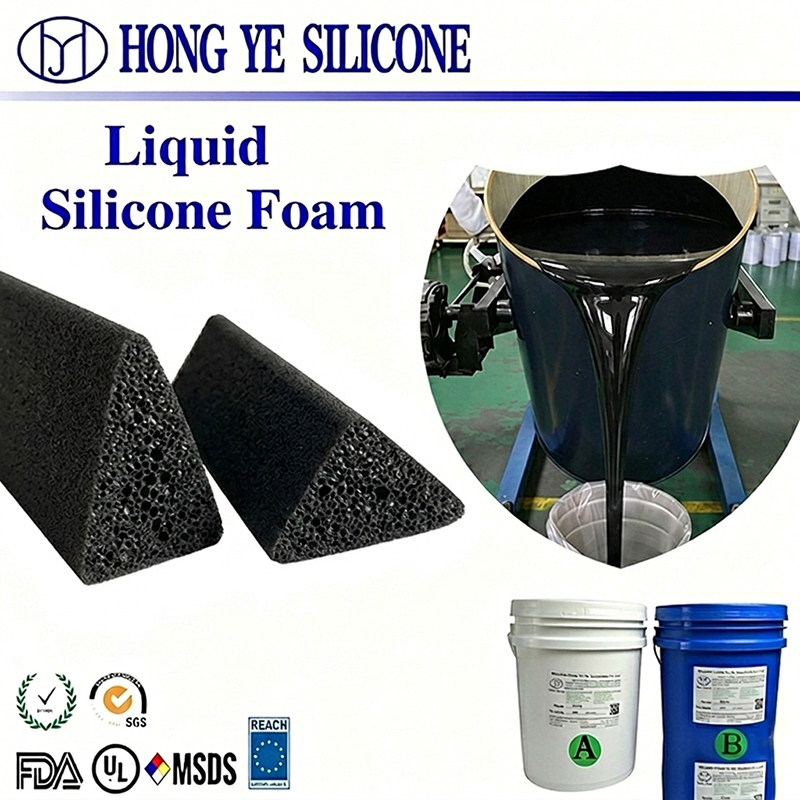
The introduction of platinum-catalyzed addition-curing silicone foam gave the construction industry a material designed for permanence. Platinum-cured foam combines the sealing and cushioning performance of elastomers with the environmental resistance of silicone: stable across extreme temperature swings, impervious to moisture and UV, and chemically inert against the pollutants, salts, and chemicals present in real-world building environments. Its uniform, closed-cell structure provided consistent, long-lasting sealing and insulation — the first foam material truly engineered for the multi-decade service life that construction demands.
Key Performance Advances
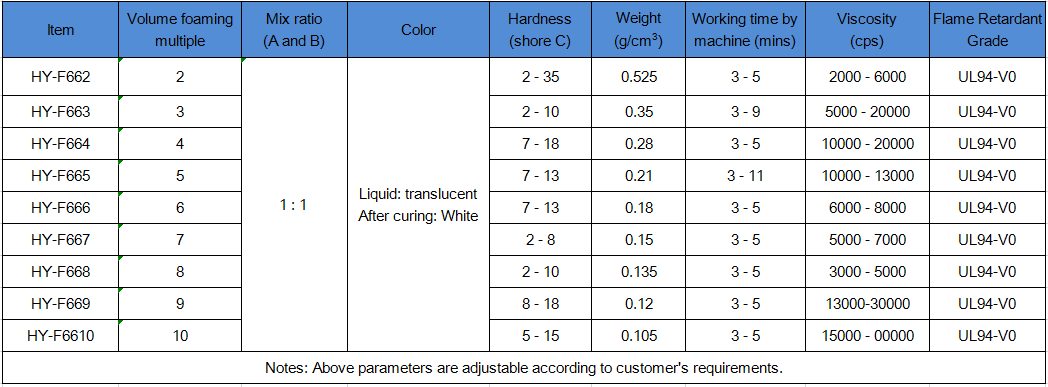
Modern liquid silicone foam grades, such as those produced by Hong Ye Silicone, are engineered to meet the exacting standards of construction and infrastructure. The wide service temperature range of -65°C to 200°C ensures performance from arctic facades to sun-exposed rooftops and high-heat mechanical rooms. The material's moisture resistance and chemical inertness prevent the degradation that shortens the life of conventional materials. Its inherent flame retardancy supports compliance with building fire-safety codes. And its excellent rebound resilience and uniform cell structure provide durable, gap-filling performance that maintains sealing integrity for years. Combined with non-toxic, environmentally responsible chemistry, silicone foam has become a specification-grade material for demanding construction applications.
Application Expansion
Silicone foam now serves construction and infrastructure across a wide range of applications. In building envelopes, it provides durable sealing for curtain walls, window frames, and facade joints that must withstand wind, rain, and thermal movement. In mechanical systems, it insulates and cushions HVAC equipment, piping, and ductwork, improving energy efficiency and reducing vibration. In fire-protection systems, it seals penetrations and joints with flame-retardant materials that help contain fire spread. In infrastructure, it cushions and seals expansion joints in bridges, dampens vibration in rail systems, and protects the electronics in tunnels, stations, and utility networks. In each application, silicone foam delivers the long-term reliability that construction projects demand.
Manufacturing Advancements
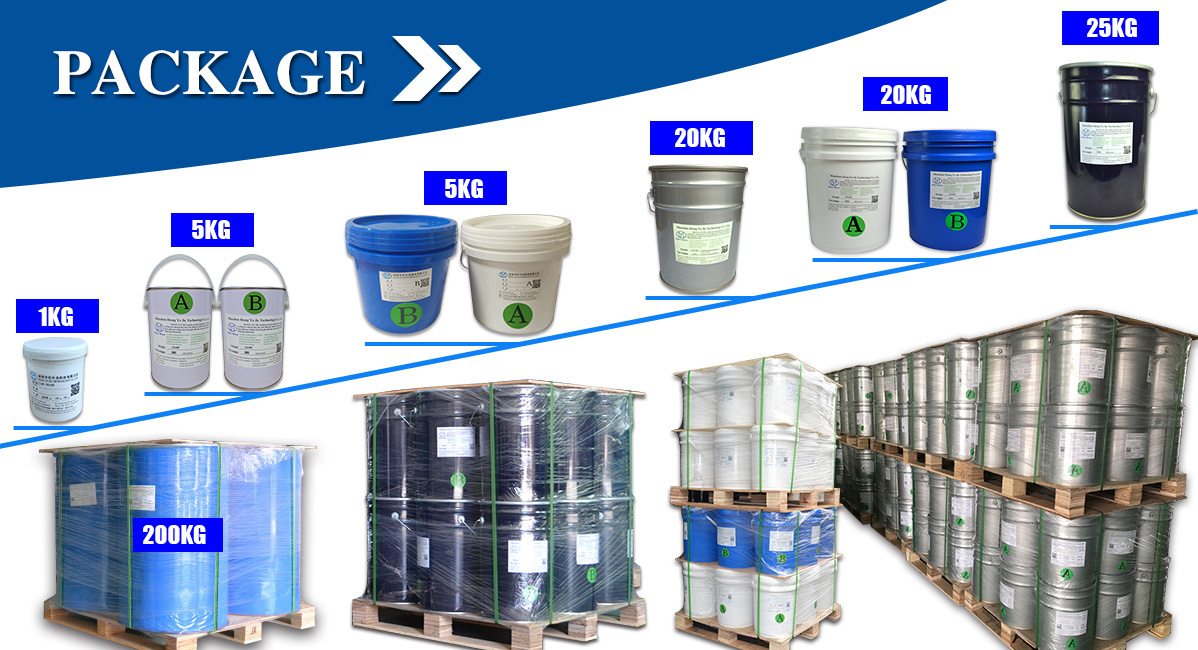
Construction materials must be dependable at massive scale. Modern manufacturing facilities, like those operated by Hong Ye Silicone, combine automated production lines with rigorous quality systems to deliver consistent material properties in every batch. ISO9001-certified quality management, comprehensive laboratory testing, and final inspection before shipment give architects, engineers, and contractors the documented assurance they need when specifying materials for projects designed to last decades.
Future Directions
The future of construction materials points toward even greater performance and intelligence. Self-healing foam formulations for demanding joints, integrated fire-and-acoustic performance composites, and foams with enhanced thermal performance for passive-house standards represent the most promising research directions. As cities grow, building codes tighten, and the push for energy-efficient, resilient infrastructure accelerates, the role of advanced silicone foam in construction will only expand.
Conclusion
The built environment stands on materials most people never see — and its quality is measured in decades of silent reliability. Liquid silicone foam has earned its place in that foundation, delivering sealing, insulation, and protection that outlast conventional materials and resist the harshest conditions. Companies like Hong Ye Silicone, with decades of formulation expertise and advanced production capability, are helping builders and engineers construct for tomorrow — with materials designed to perform for a lifetime.
 ∷
∷