Professional Platinum Cure Silicone Supplier Which to Trust 2
"Professional" appears in almost every supplier profile and tells a buyer almost nothing. In this trade it does have a checkable meaning, and it mostly shows up before the order rather than after it.
Two quotations can carry the same price, the same hardness and the same lead time, and still differ in whether the material will behave the same way next quarter. The difference lives in a handful of habits.
What Professional Looks Like in Practice
A professional reply names the grade code, the hardness and the mixing ratio. It asks what your master is made from. It tells you what happens if a formulation changes. None of that requires scale or a large catalogue; it requires a supplier that expects repeat business.
The opposite is also easy to spot. A reply that discusses only price and quantity has answered a different question than the one you asked.
Four Questions Worth Putting in Writing
Which grade code do you recommend, and why? Platinum cure silicone covers a wide hardness band, and two grades from the same supplier behave differently in the same mould.
What documents attach to that grade? Declarations follow a grade rather than a company, so the code on the paper should match the code on the quotation.
What is retained from a production run? A supplier that keeps samples from each batch can link a complaint to a run. One that does not can only discuss it.
Who answers technical questions? The answer to this one decides how quickly a problem closes, months later, when the person who sold you the material has moved on.
Comparing Behaviour, Not Claims
|
Behaviour |
What it looks like |
Why it matters |
|
Quotation detail |
grade, hardness, ratio and packaging named |
makes offers comparable |
|
Master awareness |
asks about material and release agent |
catches cure inhibition early |
|
Batch identification |
a readable code on drum or carton |
makes later comparison possible |
|
Change notice |
tells you before a formula moves |
avoids a surprise on the line |
|
Sample support |
defined trial quantity |
lets you validate on your own bench |

A Question That Sorts Suppliers Quickly
Send one line about your master: what it is made of, how it was sealed, and what you will cast into the mould. Sulphur, tin and some modelling clays inhibit a platinum cure, and a supplier that has met the problem before will ask a follow-up question.
A supplier that answers with reassurance rather than a question is describing a sales desk, not a production floor.
Reading the Quotation
Compare quotations line by line. A quotation that names the grade can be checked against the documents. One that says only "platinum silicone" cannot, and the gap usually surfaces when a claim is raised or when an export order needs paperwork.
Export buyers commonly begin at 10kg, which is enough for a working mould and a week of casting. Whether that trial quantity is supported is itself a data point.
The Trial, and What It Reveals
Use one master, one mixing ratio, one room, and cast three times. Record set time, release behaviour and surface finish on each cast. The third casting is where differences appear, especially in deep relief and thin edges.
Behaviour during a trial is the best available preview of behaviour during production. Suppliers who help you design the trial are usually the same ones who help when something goes wrong.
What Changes After the First Order
The first order tests the material. The second tests the supplier. A different packing format, a slower reply to a technical question, or a hardness that feels slightly off are ordinary events in this trade; they become expensive when nobody flagged them in advance.
Three habits decide how those moments land. The grade is identified the same way on every shipment. A single contact can answer from the production side rather than relaying. And there is a defined notice path before a formulation moves. None of the three is difficult to set up, which is what makes their absence informative.
Buyers who ask about these habits at quotation stage are usually the ones who never have to raise the subject later.
Before Volume
Agree four things in writing: the grade code and hardness, the packaging format, how batches are identified, and what notice you receive before a formulation change. Price and lead time are easier to settle once those four are fixed, because both sides then know what is being repeated.
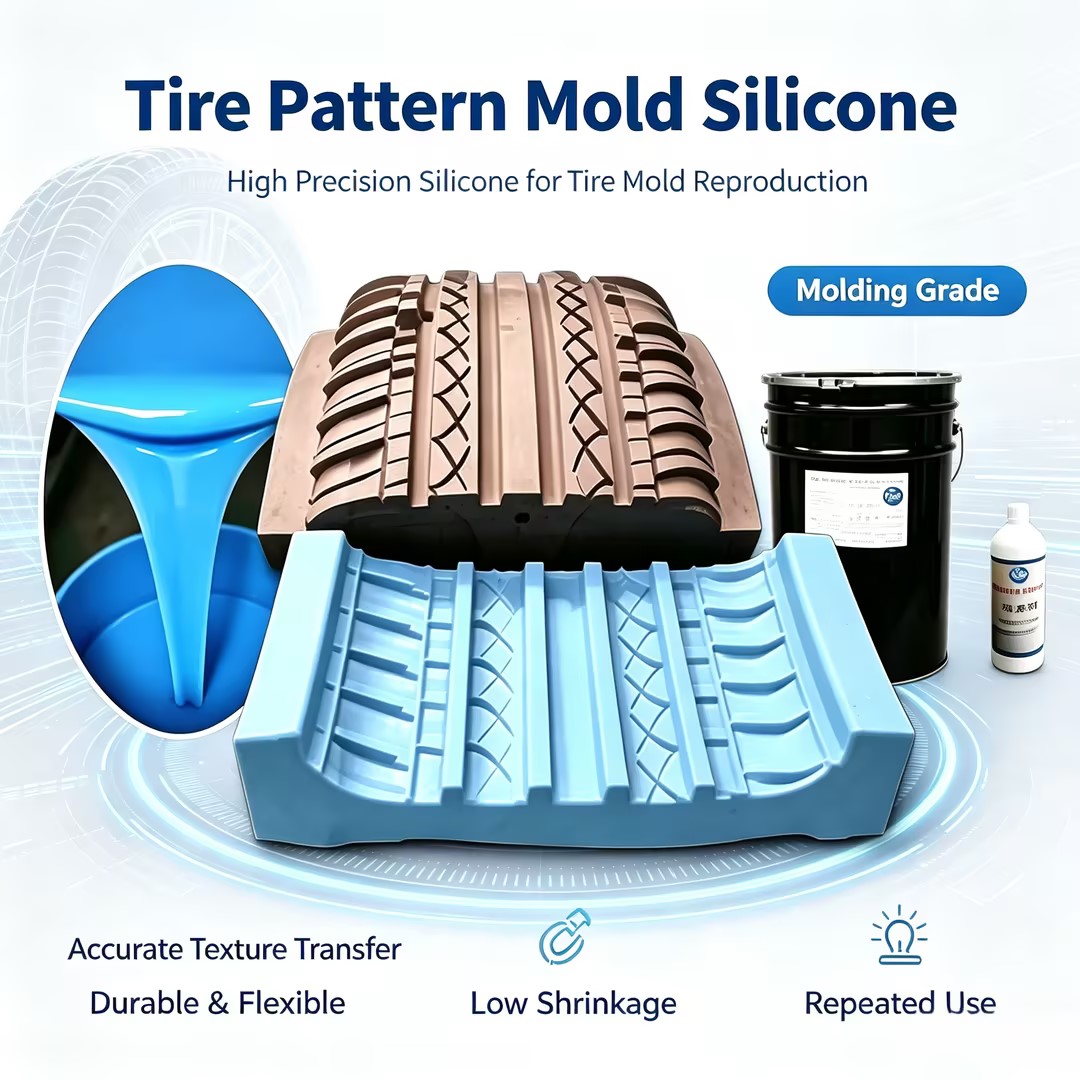
For buyers comparing grades rather than logos: Shenzhen Hong Ye Jie Technology covers 10 to 50 Shore A in addition curing platinum silicone, keeps samples of every production batch, casts a pre-production sample against your master, and answers grade questions from the people who make the material. Trial orders from 10kg.
 ∷
∷