Silicone Foam Is Meeting the Demands of Food Processing
Introduction
In food and beverage processing, cleanliness is not a preference — it is the law. Every material that touches food, seals a tank, or cushions a processing line must withstand aggressive sanitation, resist bacterial growth, and meet the strictest food-contact regulations in the world. Liquid silicone foam has become a trusted material in this demanding industry, combining food-grade safety with the durability to survive the harsh realities of food production: steam, chemicals, heat, and relentless daily use.
Early Developments
In the early days, food processing relied on rubber gaskets, cork, and conventional elastomers for sealing and cushioning. These materials presented persistent challenges in food environments. Rubber compounds absorbed fats, oils, and flavors, becoming breeding grounds for bacteria. Conventional foams degraded under the heat, steam, and caustic cleaning agents used in food plants. And materials that could not withstand daily sanitation cycles had to be replaced constantly — driving up cost, downtime, and the risk of contamination. For food processors, reliable, hygienic materials were essential but elusive.
The Platinum Cure Revolution
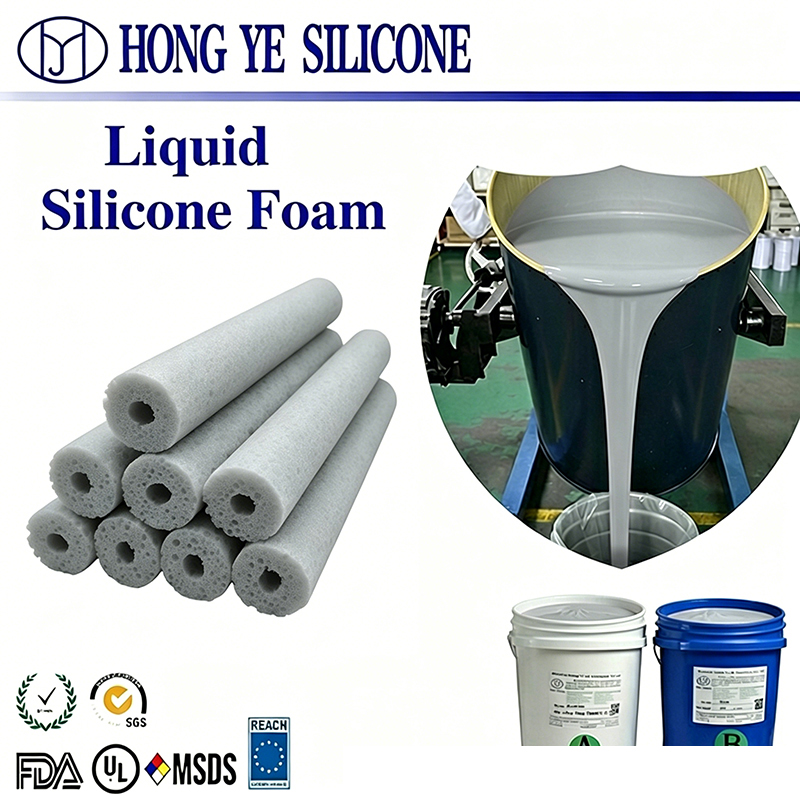
The introduction of platinum-catalyzed addition-curing silicone foam set a new standard for food-contact materials. Platinum-cured silicone is inherently inert and non-toxic — it does not leach chemicals, absorb food residues, or support bacterial growth. Its closed-cell structure resists moisture and prevents the absorption that turns ordinary foams into contamination risks. Its chemical stability allows it to withstand the aggressive cleaning agents, steam, and sanitizers used in food plants. And its wide temperature tolerance covers everything from cold storage to cooking processes. For the first time, food processors could specify a cushioning and sealing material that met the highest hygiene standards while lasting for years.
Key Performance Advances
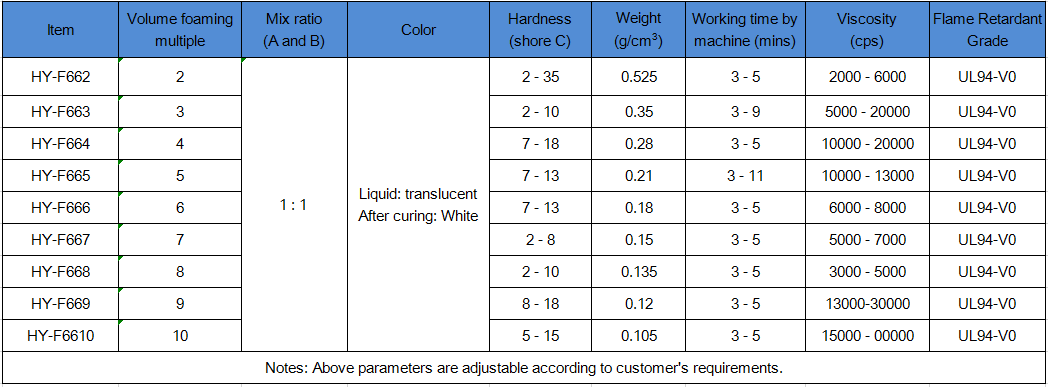
Modern liquid silicone foam grades, such as those produced by Hong Ye Silicone, are engineered for the specific demands of food processing. The material's food-safe, non-toxic nature ensures compliance with food-contact regulations, giving processors confidence in every application. Its chemical inertness resists fats, oils, acids, and cleaning agents, preventing degradation and contamination. The wide service temperature range of -65°C to 200°C covers the full spectrum of food processing, from freezing to cooking and sterilization. Its moisture and steam resistance maintains performance through constant sanitation cycles, while the excellent rebound resilience provides durable gasketing and cushioning that survives years of production.
Application Expansion
Food-grade silicone foam now serves processing operations across the industry. In food machinery, it provides hygienic gaskets and seals for mixers, fillers, conveyors, and processing equipment that must maintain sanitary integrity. In beverage production, it seals tanks, lines, and filling equipment exposed to aggressive cleaning regimes. In dairy and meat processing, it cushions and seals equipment in environments requiring constant sanitation. In food packaging machinery, it provides durable, food-safe cushioning and sealing. In commercial kitchens and catering equipment, it delivers hygienic gasketing that withstands heat and cleaning. In each application, silicone foam helps food processors maintain the hygiene standards that protect consumers and brands.
Manufacturing Advancements
Food-contact materials demand uncompromising quality and traceability. Modern facilities, like those operated by Hong Ye Silicone, combine automated production lines with rigorous quality systems: raw material inspection, controlled processing, laboratory testing of every batch, and final inspection before shipment. ISO9001-certified quality management and compliance with international food-contact standards give food processors the documented assurance they require for regulated production environments.
Future Directions
The future of food processing materials points toward even greater hygiene and efficiency. Antimicrobial silicone foam formulations for maximum contamination resistance, formulations validated for more aggressive cleaning regimes, and grades engineered for emerging food technologies represent the most promising research directions. As food safety regulations tighten and processing speeds increase, the role of advanced silicone foam in food and beverage production will continue to grow.
Conclusion
In food processing, the materials behind the scenes carry a public-health responsibility. Liquid silicone foam has proven itself equal to that responsibility — safe for food contact, resistant to the harshest cleaning regimes, and durable enough for years of production. Companies like Hong Ye Silicone, with decades of formulation expertise, certified quality systems, and a commitment to the highest hygiene standards, are helping food processors around the world maintain the clean, safe, efficient production that consumers depend on.
 ∷
∷