Silicone Foam Is Advancing Rehabilitation Technology
Introduction
In medicine, materials are held to the highest standard on earth: they must be safe enough for contact with the human body, durable enough for years of demanding use, and reliable enough that a failure could never endanger a patient. Liquid silicone foam has earned its place in this demanding field — supporting rehabilitation, protecting fragile skin, and providing comfort in medical devices where no other material can match its combination of safety, softness, and durability.
Early Developments
In the early days, medical cushioning and support relied on conventional foams and fabrics. These materials presented serious limitations in clinical settings: they absorbed fluids and harbored bacteria, degraded under repeated cleaning and disinfection, and broke down under constant pressure from immobile patients. For patients with limited mobility, pressure sores and skin breakdown were persistent risks. For medical device manufacturers, the lack of a truly hygienic, durable cushioning material limited what they could design.
The Platinum Cure Revolution
The introduction of platinum-catalyzed addition-curing silicone foam transformed medical materials. Platinum-cured silicone is inherently biocompatible — chemically inert, non-toxic, and stable in contact with skin and body fluids. Its closed-cell structure resists moisture absorption, preventing the bacterial growth that plagued conventional foams. And its extraordinary durability meant it could withstand repeated disinfection and years of clinical use without degrading. For the first time, medical device designers had a cushioning material that met the strictest safety and hygiene standards while delivering genuine patient comfort.
Key Performance Advances
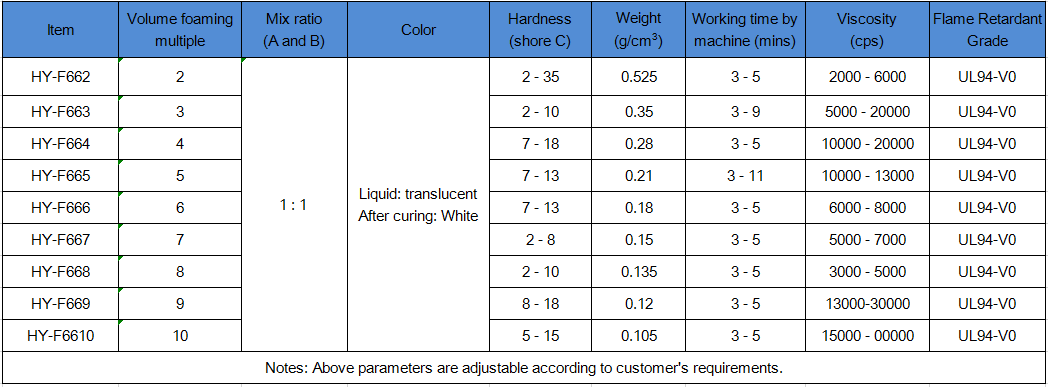
Modern liquid silicone foam grades, such as those manufactured by Hong Ye Silicone, are engineered for the specific demands of medical and rehabilitation applications. The material's soft, uniform structure provides gentle pressure distribution, reducing the risk of pressure sores in immobile patients. Its excellent rebound resilience maintains support through continuous use, preserving therapeutic positioning. The non-toxic, hypoallergenic, and chemically inert nature of the material makes it safe for prolonged skin contact, including sensitive and damaged skin. Its moisture resistance and ease of cleaning support the rigorous hygiene protocols of healthcare environments. And its wide service temperature range of -65°C to 200°C allows sterilization and disinfection without material degradation.
Application Expansion
Silicone foam now serves medical and rehabilitation technology across a wide spectrum. In patient care, it provides pressure-relieving cushions, mattress overlays, and wheelchair seating that protect at-risk skin. In orthopedics, it cushions splints, braces, and prosthetics, improving comfort and fit. In rehabilitation, it forms the supportive padding in therapy equipment, exercise aids, and balance training devices. In assistive technology, it provides comfortable support in wheelchairs, walkers, and positioning aids. In sensory products, its soft, safe texture makes it ideal for children's therapy tools. In each application, silicone foam delivers the safety, hygiene, and comfort that clinical environments demand.
Manufacturing Advancements
Medical materials demand uncompromising quality. Modern facilities, like those operated by Hong Ye Silicone, combine automated production lines with rigorous quality systems: raw material inspection, controlled processing, laboratory testing of every batch, and final inspection before shipment. ISO9001-certified quality management ensures traceability and consistency, while compliance with international safety standards gives medical device manufacturers the documented assurance they require for regulated products.
Future Directions
The future of medical materials points toward even greater sophistication. Antimicrobial silicone foam formulations for infection prevention, sensor-integrated foams for patient monitoring, and ultra-soft grades for neonatal care represent the most promising research directions. As healthcare systems worldwide face aging populations and rising demand for home-based care, the role of advanced silicone foam in medical and rehabilitation technology will continue to grow.
Conclusion
Few materials carry as much responsibility as those used in medicine. Liquid silicone foam has earned that responsibility — proving that a material can be simultaneously safe enough for the most vulnerable patients, durable enough for the most demanding clinical environments, and comfortable enough to improve quality of life. Companies like Hong Ye Silicone, with decades of formulation expertise, certified quality systems, and a commitment to the highest standards, are helping medical device manufacturers around the world build products that heal, protect, and restore.
 ∷
∷