How Silicone Foam Conquers Moisture
Introduction
Water is one of the most destructive forces in engineering. It seeps into seals, corrodes components, degrades materials, and silently destroys equipment that was supposed to last for years. For products that live outdoors — marine vessels, outdoor electronics, pool equipment, agricultural systems — moisture resistance is not a feature, it is a survival requirement. In these demanding environments, liquid silicone foam has proven itself a material that simply will not quit, sealing out water, resisting corrosion, and performing reliably where other materials fail.
Early Developments
In the early days, outdoor and marine equipment relied on rubber gaskets and conventional foams for water protection. Both had critical weaknesses. Rubber gaskets hardened, cracked, and lost their seal as they aged under UV exposure and temperature swings. Conventional foams absorbed water like sponges, holding moisture against components, promoting corrosion, and degrading from the inside out. For equipment exposed to rain, salt spray, and humidity — from marine electronics to outdoor enclosures — engineers struggled to find sealing materials that could keep water out and stay functional for the long term.
The Platinum Cure Revolution
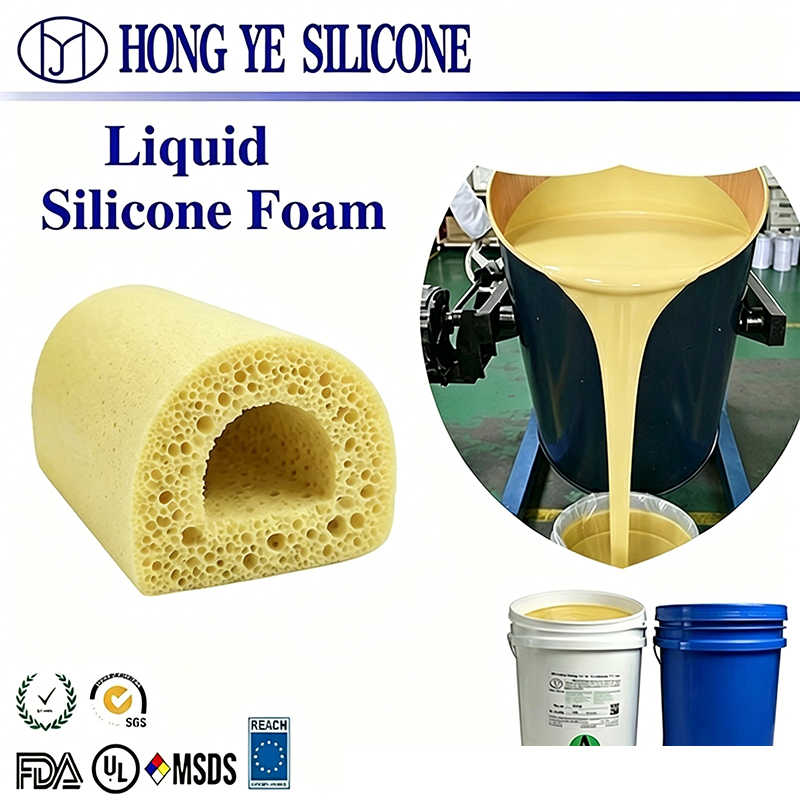
The introduction of platinum-catalyzed addition-curing silicone foam provided a decisive answer. Platinum-cured foam's closed-cell structure forms an effective barrier against water and moisture penetration, while silicone's hydrophobic nature repels water at the molecular level. Equally important, silicone does not degrade under UV exposure, salt, or temperature extremes — the very conditions that destroy other materials. For the first time, engineers had a sealing and cushioning material that could be specified for permanent outdoor and marine service with confidence.
Key Performance Advances
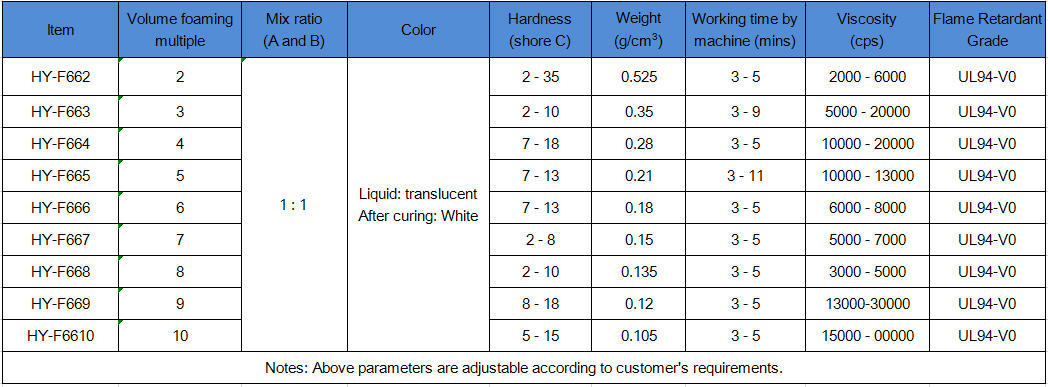
Modern liquid silicone foam grades, such as those produced by Hong Ye Silicone, are engineered for the harshest environments. The closed-cell structure provides effective water and moisture resistance, protecting enclosed components and maintaining sealing integrity. The wide service temperature range of -65°C to 200°C ensures performance from freezing marine conditions to sun-baked desert heat. The material's chemical inertness resists salt, pollutants, fuels, and cleaning agents, preventing the corrosion and degradation that shorten equipment life. Its UV stability maintains physical properties through years of sun exposure, while the excellent rebound resilience ensures the material keeps performing after repeated compression, flexing, and thermal cycling.
Application Expansion
Moisture-resistant silicone foam now serves a wide range of demanding environments. In marine applications, it seals and cushions electronics on boats, protects navigation equipment from salt spray, and provides padding in marine seating and equipment. In outdoor electronics, it seals streetlights, signage, security cameras, and telecom enclosures against rain and humidity. In pool and water sports equipment, it provides water-resistant cushioning that survives constant exposure. In agricultural systems, it protects irrigation controls and outdoor machinery electronics from moisture and dust. In energy infrastructure, it seals solar inverters, wind turbine controls, and charging stations exposed to the elements. In each application, silicone foam extends equipment life and reduces the costly failures caused by water intrusion.
Manufacturing Advancements
Sealing out water demands uncompromising manufacturing quality. Automated production lines, like those operated by Hong Ye Silicone, deliver the tight control over cell structure and density that moisture resistance depends on — a single flaw in cell structure can compromise an entire seal. ISO9001-certified quality management, comprehensive laboratory testing, and final inspection before shipment ensure that every batch meets the demanding specifications of outdoor and marine applications.
Future Directions
The future of moisture-resistant materials points toward even greater environmental endurance. Self-healing seal formulations for permanent outdoor service, enhanced UV-stable grades for extreme sun exposure, and biofouling-resistant formulations for marine applications represent the most promising research directions. As outdoor electronics, renewable energy, and marine industries continue to expand, the demand for materials that withstand the elements will only grow.
Conclusion
For equipment that lives outdoors and at sea, water is the enemy — and silicone foam has become a trusted defense. By sealing out moisture, resisting corrosion, and maintaining performance through decades of exposure, liquid silicone foam has proven that durability and environmental resistance can go hand in hand. Companies like Hong Ye Silicone, with decades of formulation expertise and advanced production capability, are helping engineers build equipment that survives the elements — year after year, storm after storm.
 ∷
∷